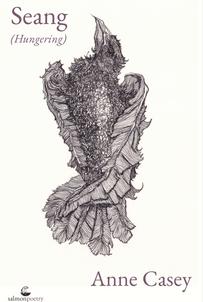
Reviewer: Wendy J. Dunn
Casey writes in her introduction to this powerful work:
Each poem also operates to express resistance—almost always on several footings. Each strives to answer the question of how poetry can meet the purpose of protest: in the form of feminist resistance.
Ghosts haunt the pages of this poetry collection — ghosts of the many Irish women brought to the shores of Australia in the middle of the 19th century only to be scorned and abused — and often treated inhumanely by people who regarded them as less than human. Casey gives voice to these women and girls with the poignancy and potency of a lament. Her new collection doesn’t shy away from grappling with themes that are uncomfortable and terrible.
The first poems in this collection are not only Irish in their voice, but also rightly tribal:
you, who had always been
true to our people,
found a way to test—
your longheld bequest withheld
as when the ancient woods
sang out in concert: oaken notes
throbbing through Duir’s thirsting roots,
silvery tones rising from the harp of Dagda Mór
Casey’s poetry embodies this harp. Every powerful line she writes thrums a poetic voice that sings with Irish soul. Reading this work evokes not only the heartbreak of the past but also serves to remind us of the tragedies happening all over the world. Of mothers clinging to their dead children, howling a cry that rends and leaves scars on the history of humanity. We experience the howl of these mothers in Casey’s verse:
as it trundles you
towards the waiting
wound, your arm still
extended around your infant son, bundled with a hundred twiglike others— today’s bitter harvest
to be planted with the rest.
Casey reminds us of the courage of these young women. Forever exiled far from Ireland and their homes and forced to survive, they are not willing to lie down and die. They are fighters, with spirits difficult to break, and refuse to bow their heads without first standing firm for as long as they are able.
They wanted us silenced and disappeared. All they strived for was to make us into ‘civil’ little Biddies to do their bidding. But we had learned to love our own sovereignty and that suited nobody but ourselves. And as we well know, whether at home or abroad, ‘is minic a gheibhean béal oscailt diog dúnta’—an open mouth often catches a closed fist!
Casey’s poems turned my mind to my Brien ancestors, who fled Ireland during the years of the potato famine:
Until one third
of our people had disappeared
into the clod beneath the cloying
craobhmhúr of your crocodile tears—
over a million ghosts
still walk those famine roads…
Did they too, this family, walk these famine roads? Considering they lived out their exile in the East End of London, I suspect so. They would still have been poor, but had far more chance to survive. I also suspect they would have felt as torn from the country of their birth as the women and girls given voice in Seang (Hungering).
So much was stolen from the women in this book, but Casey, with poetic power, gives them (and us) back their stories.